Copper Pyramids – A Space for Harmony, Stillness, and Mindful Rest
Copper Pyramids – A Space for Harmony, Stillness, and Mindful Rest
More and more people are seeking ways to create spaces within their homes that support relaxation, restoration, and a deeper connection with themselves. Among the solutions gaining interest within the fields of personal development, meditation, and wellness are copper pyramids — both meditation pyramids and pyramid structures designed to be placed above a bed.
While the topics of energy, frequencies, and the influence of geometric forms continue to inspire discussion, many users describe positive personal experiences associated with these structures, including a greater sense of calm, improved focus, and deeper relaxation.
Why Copper?
Copper has been used for thousands of years across various cultures and applications.
Its most recognized properties include:
• Excellent electrical conductivity
• High thermal conductivity
• Natural antimicrobial properties
• Durability and longevity
• Aesthetic, natural appearance
Within certain wellness and personal development traditions, copper is also symbolically associated with harmony, balance, and mindful living.
Meditation Pyramids – A Space for Focus and Inner Stillness
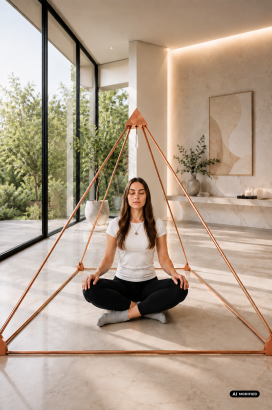
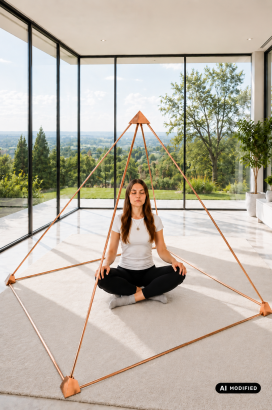
Meditation pyramids are structures typically made from copper tubing, forming a geometric shape inspired by the proportions of the Great Pyramid of Giza.
Many people use them for:
• Meditation
• Yoga practice
• Breathwork
• Relaxation
• Mindfulness practices
• Intention-setting
• Conscious rest and reflection
What Do Users Commonly Report?
People who use meditation pyramids often describe:
• Easier relaxation and mental quietness
• Greater focus and concentration
• Deeper states of relaxation
• Reduced sensory overload
• A dedicated personal space for stillness
• More intentional meditation practice
It is important to recognize that these experiences are highly individual and may also result from the practice itself, regular moments of pause, and the creation of a peaceful environment.
Geometry, Space, and Human Wellbeing
Researchers and enthusiasts alike have long explored the relationship between physical environments and human wellbeing.
What Does Science Say?
-
Environment Influences the Nervous System
Research within the field of neuroarchitecture suggests that space, geometry, and environmental design can influence:
• Stress levels
• Concentration
• Sense of safety and comfort
• Ability to relax
• Overall psychological wellbeing
Sources:
• Academy of Neuroscience for Architecture (ANFA)
• Journal of Environmental Psychology
-
Meditation Influences Brainwave Activity
Regular meditation has been shown to affect alpha and theta brainwave activity, which are associated with relaxation, mental clarity, and restoration.
EEG studies indicate that meditation practitioners often achieve deeper states of calm and enhanced concentration.
It is important to note that these findings relate to meditation and relaxation practices themselves rather than to pyramid structures specifically.
Sources:
• Harvard Medical School
• Frontiers in Human Neuroscience
• National Institutes of Health (NIH)
-
Bioelectricity and Heart Rhythm
The human body functions through electrical impulses, particularly within the nervous system and cardiovascular system.
Researchers have explored areas including:
• Heart rhythm variability
• Physiological coherence
• The relationship between emotions and bodily function
• Nervous system regulation
Although these studies do not directly examine copper pyramids, they contribute to a broader scientific interest in how relaxation, environment, and emotional states influence wellbeing.
Source:
• HeartMath Institute
Bed Pyramids – Creating a Mindful Resting Environment
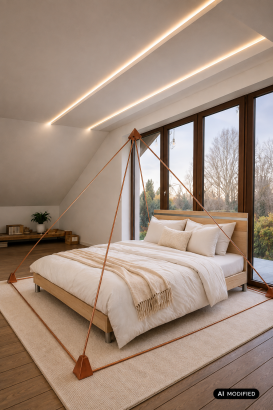
Another increasingly popular application is the installation of copper pyramid structures above a bed.
For many individuals, these structures serve as a visual and symbolic element within a calm, intentional sleeping environment.
People are often drawn to them in order to:
• Create a more harmonious bedroom
• Reduce sensory stimulation
• Support evening relaxation rituals
• Cultivate a restorative atmosphere
• Combine aesthetics with mindfulness practices
What Do Users Report?
People using bed pyramids commonly describe:
• Easier relaxation before sleep
• A greater sense of intentional rest
• A more peaceful bedroom atmosphere
• Increased feelings of calm
• A dedicated space that supports restoration
At present, there is no conclusive scientific evidence demonstrating that the pyramid shape itself directly affects health outcomes or sleep quality.
Why Rituals and Calm Spaces Matter
Modern psychology increasingly recognizes the importance of rituals and intentionally created environments for relaxation.
When we:
• Put away our phones
• Light a candle
• Meditate
• Reduce external stimulation
• Create a peaceful environment
• Set aside time for ourselves
our nervous system may more easily transition into a state of rest and recovery.
For this reason, many people view a copper pyramid as:
• A symbol of pause and reflection
• Part of a daily wellness ritual
• A meditation space
• A support for mindfulness practices
• An aesthetic element of a consciously designed interior
Do Copper Pyramids Really Work?
This is one of the most frequently asked questions.
The most balanced answer is:
• Scientific research supports the benefits of meditation, relaxation, and restorative environments
• Research continues to explore bioelectric processes within the human body
• Copper possesses well-established physical properties as a conductive material
While there is currently no conclusive scientific evidence confirming unique effects attributable specifically to copper pyramids, many people value them as:
• Tools that support daily relaxation practices
• Elements of meditation and mindfulness routines
• Components of a conscious lifestyle
• Ways to create a calmer living environment
Who May Find Them Interesting?
Copper pyramids are often chosen by people who:
• Practice meditation
• Practice yoga
• Explore mindfulness techniques
• Appreciate minimalist interiors
• Seek spaces for relaxation and reflection
• Have an interest in personal development
• Wish to cultivate more intentional rest
Conclusion
Copper pyramids combine geometry, aesthetics, and the conscious creation of restorative space.
For some, they are a unique design feature. For others, they represent a symbol of stillness, mindfulness, and daily ritual.
Ultimately, what matters most is personal experience and whether a particular environment helps you:
• Slow down
• Breathe deeply
• Quiet the mind
• Reduce overstimulation
• Restore balance after a demanding day
In today's fast-paced world, creating space for calm, reflection, and mindful rest has become increasingly valuable.
References and Research Sources
Meditation and Brainwave Activity
• Harvard Medical School
• National Institutes of Health (NIH)
• Frontiers in Human Neuroscience
Neuroarchitecture and Environmental Psychology
• Academy of Neuroscience for Architecture (ANFA)
• Journal of Environmental Psychology
Bioelectricity and Heart Rhythm
• HeartMath Institute
Copper Properties
• Copper Development Association
• National Center for Biotechnology Information (NCBI)
 Polish